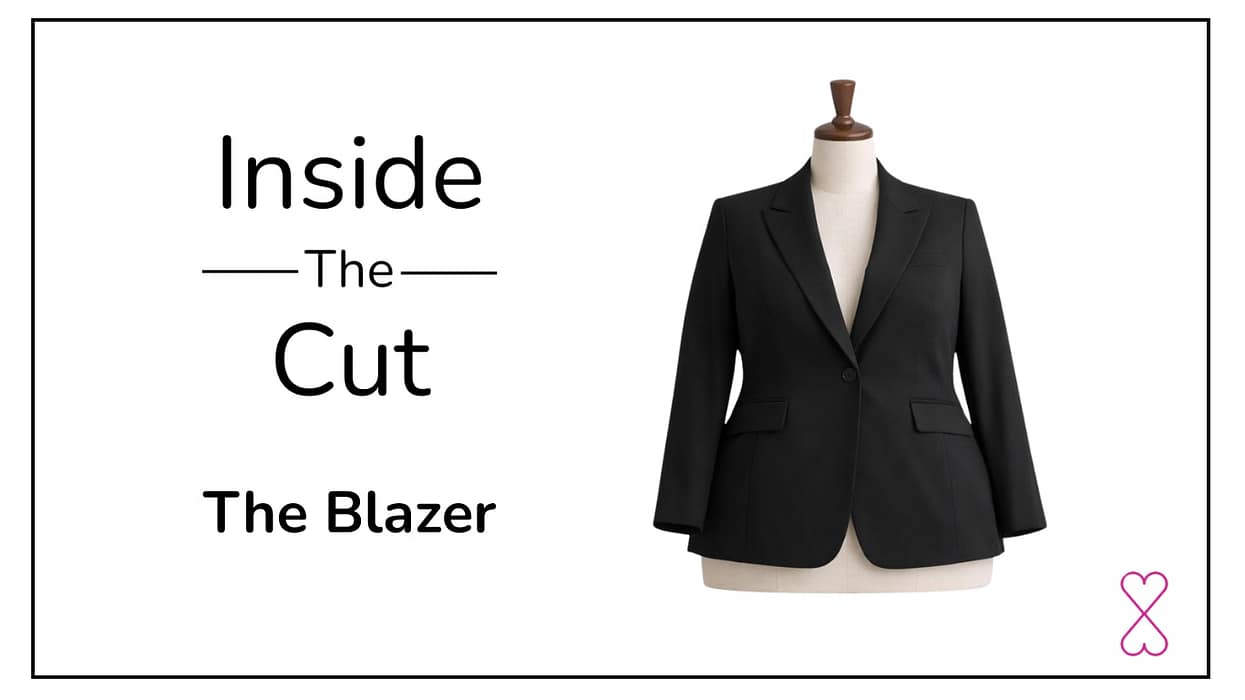
Inside the Cut: The Blazer
How should a blazer fit curves? It’s not about colour or trend, it’s about cut. In this edition of Inside the Cut, we break down how foundation, construction and proportion determine whether a blazer truly works on the silhouette.
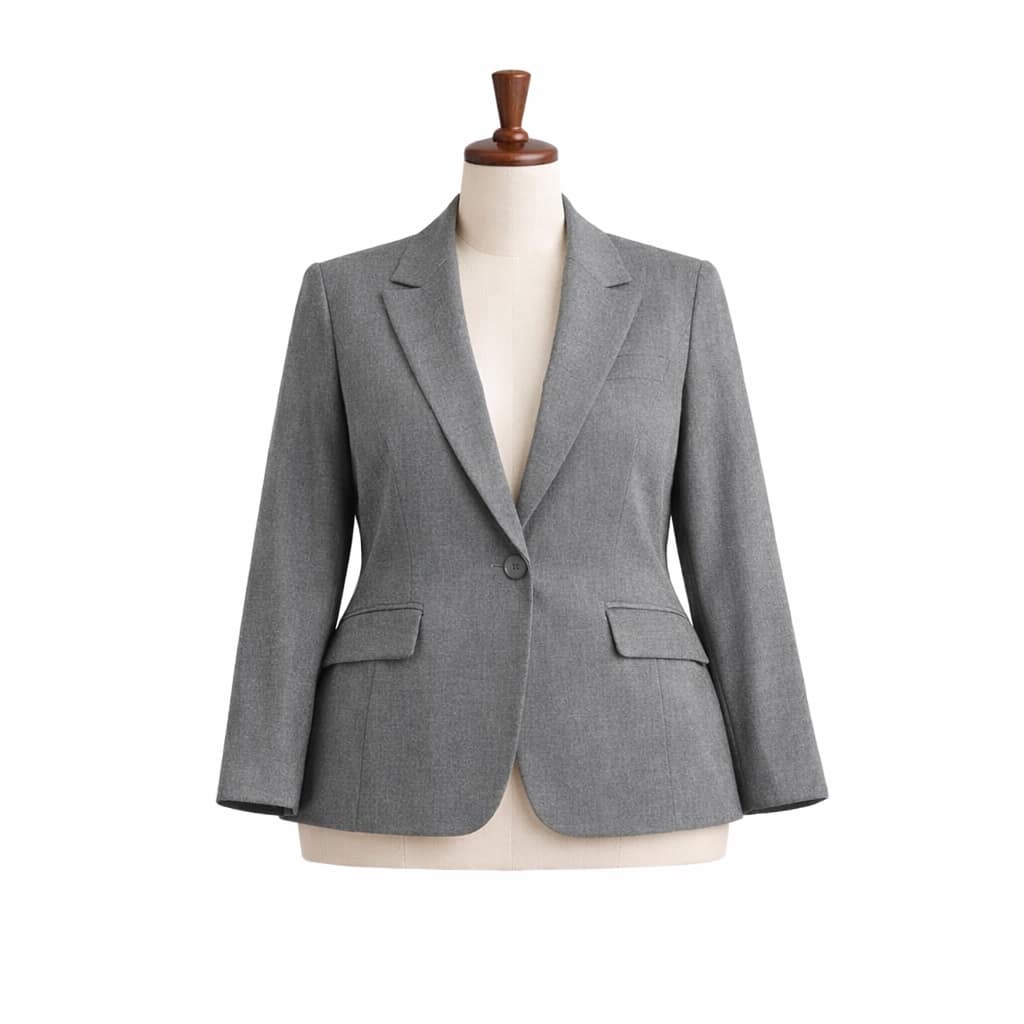
Fitted Waist Length Blazer
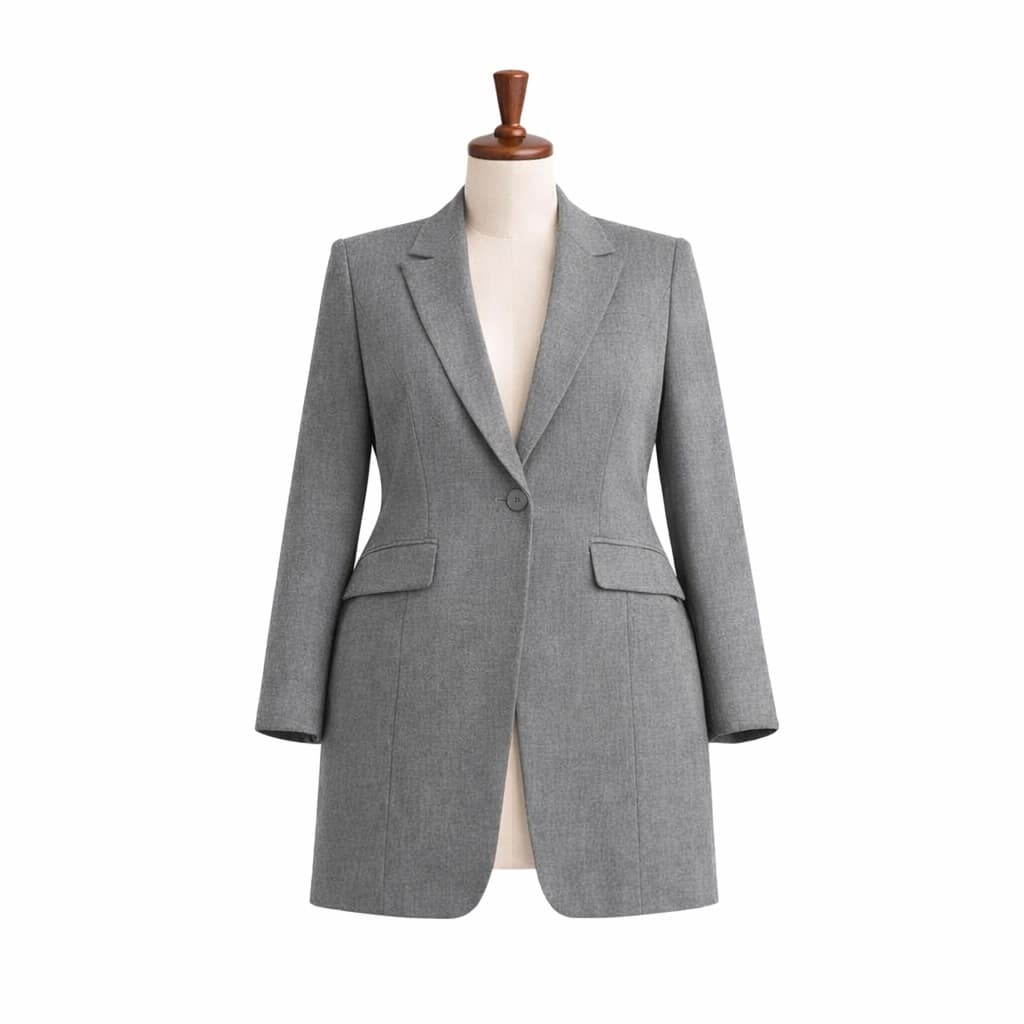
Fitted Longline Blazer
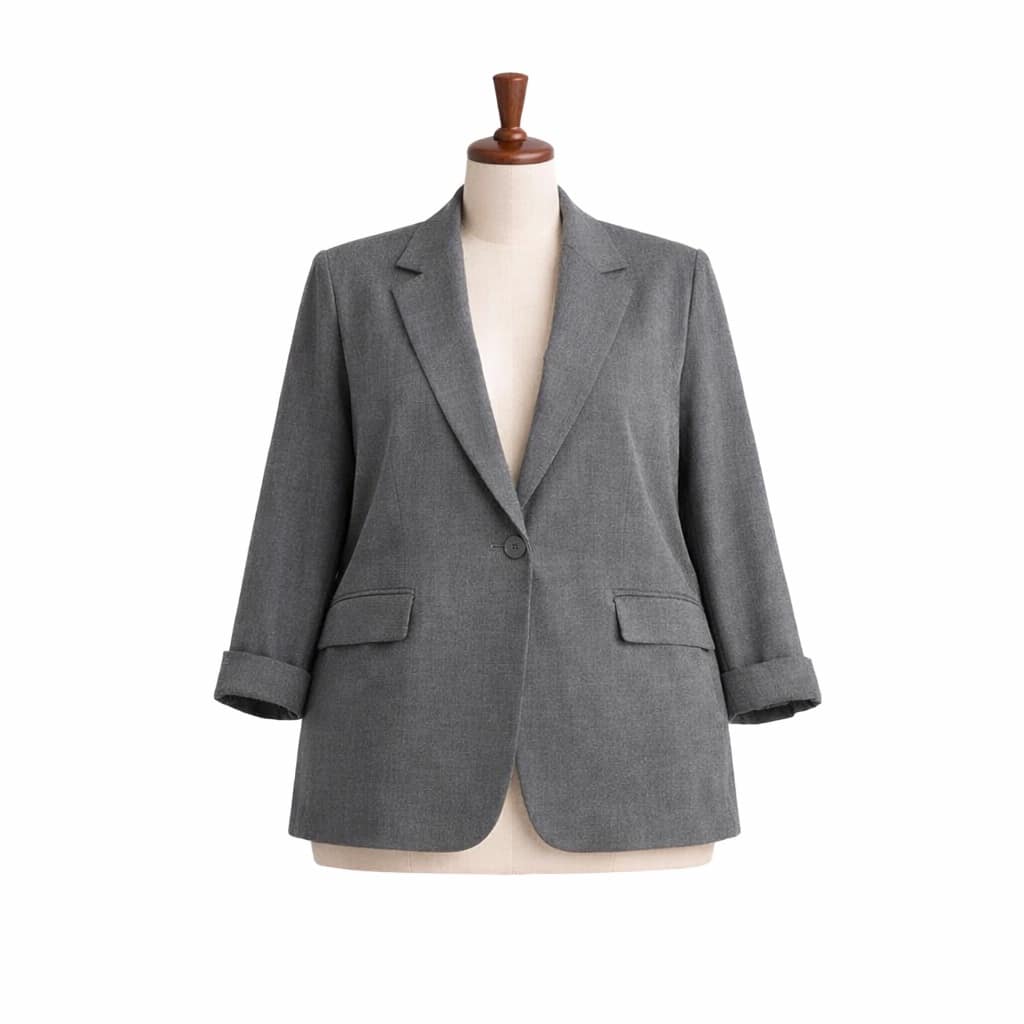
Relaxed Fit Blazer
Foundation
Foundation refers to the fabric and internal structure that determine how a blazer behaves before it is even worn.
A structured blazer often uses firmer suiting fabrics, interlining, and shoulder support. These elements give the garment stability. On curves, this stability prevents collapse through the bust and maintains shape at the waist.
A relaxed blazer typically uses softer fabrics with less internal reinforcement. This increases ease and movement, but reduces architectural definition.
The foundation determines whether a blazer holds its line, or yields to the body.
Before cut, before length, before trend, foundation sets the behaviour.
Construction
Construction is the engineering.
In a fitted waist-length blazer, shaping seams and precise button placement sculpt the silhouette. Princess seams create space through the bust without distorting the line. A well-positioned button allows the fabric to skim rather than strain.
In a longline blazer, vertical seams elongate the frame. The cut directs the eye downward, creating visual balance.
In a relaxed cut, reduced shaping and softened shoulders create ease, but also reduce contour.
Construction determines how a blazer frames the body.
It is not decoration. It is architecture.
Proportion
Proportion is how the garment relates to the body.
A waist-length blazer can define beautifully, but only if it aligns with the natural waistline. If it cuts above or below that point, balance shifts.
A longline blazer creates a vertical column, stabilising curves through length.
A relaxed blazer widens the visual outline, softening the reading of shape.
None of these are inherently right or wrong.
They simply produce different visual outcomes.
When proportion is considered intentionally, the silhouette feels resolved.